
INTEGRATIVE & FUNCTIONAL MEDICINE COMMUNITY RESOURCES
Hope-Filled Knowledge for Your Healing Path
Explore trusted research, recommended reading, and meaningful resources to support your journey toward reconciliation and wellness.
Featured Videos
Dr. Balaguera
WHAT IS MISTLETOE THERAPY?
Dr. Balaguera
From The Blog
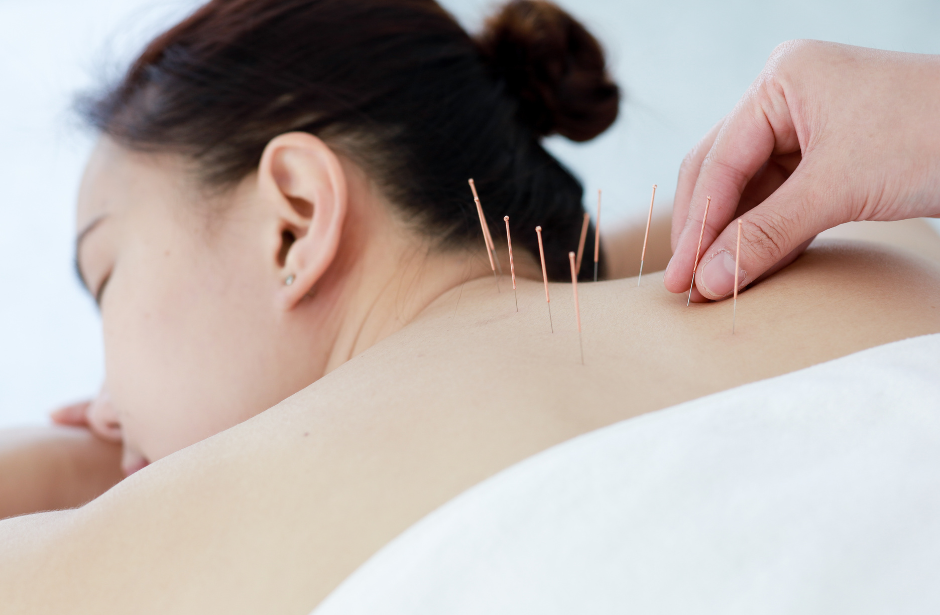
Neural Therapy is a medical injection system that identifies and treats disturbances in the body’s neurological control mechanisms—often referred to as “interference fields.” According to the North American Academy of Neural Therapy (NAANT), these interference fields can occur almost anywhere in the body, are often subtle, and are treated with small injections of dilute procaine or other local anesthetics with the goal of restoring healthy autonomic regulation.
This spring, Katallage Wellness is introducing a new Detox Pathway Support IV Series designed to nourish the body’s natural detoxification systems—not with extreme cleanses, but with targeted, evidence-informed support for the liver and antioxidant pathways. Detoxification is a daily biologic process, centered in the liver’s phase I and phase II pathways, which rely on key nutrients—especially B vitamins and specific amino acids—to safely process and eliminate metabolic byproducts, hormones, and environmental exposures. Our new IV includes NAC, glycine, glutathione (GSH), and a B-complex, and is offered as a 4-week series (once weekly) paired with the Renew Food Plan, a modified elimination-style nutrition plan that helps reduce inflammatory load, identify food triggers, and support gut-liver clearance. Plus, time with Shana our Dietitian certified through the Institute for Functional Medicine; she can hold your hand each step of the way. The goal is improved resilience—more stable energy, clearer thinking, better digestion, and reduced reactivity—through a structured, clinically guided spring reset.
Spring can raise the body’s total inflammatory burden—pollen exposure, sleep disruption, travel, alcohol/sugar at gatherings, and stress can combine into a “stacked” effect.
In clinic, we commonly see:
More congestion, headaches, brain fog
Flare-ups of skin issues
GI sensitivity or histamine-like symptoms
Increased fatigue and reactive cravings
This month we’re focusing on supportive foundations:
Regular sleep/wake timing
Protein-forward breakfasts for stable glucose
Hydration + electrolytes
Strategic anti-inflammatory foods (omega-3s, herbs, bitter greens)
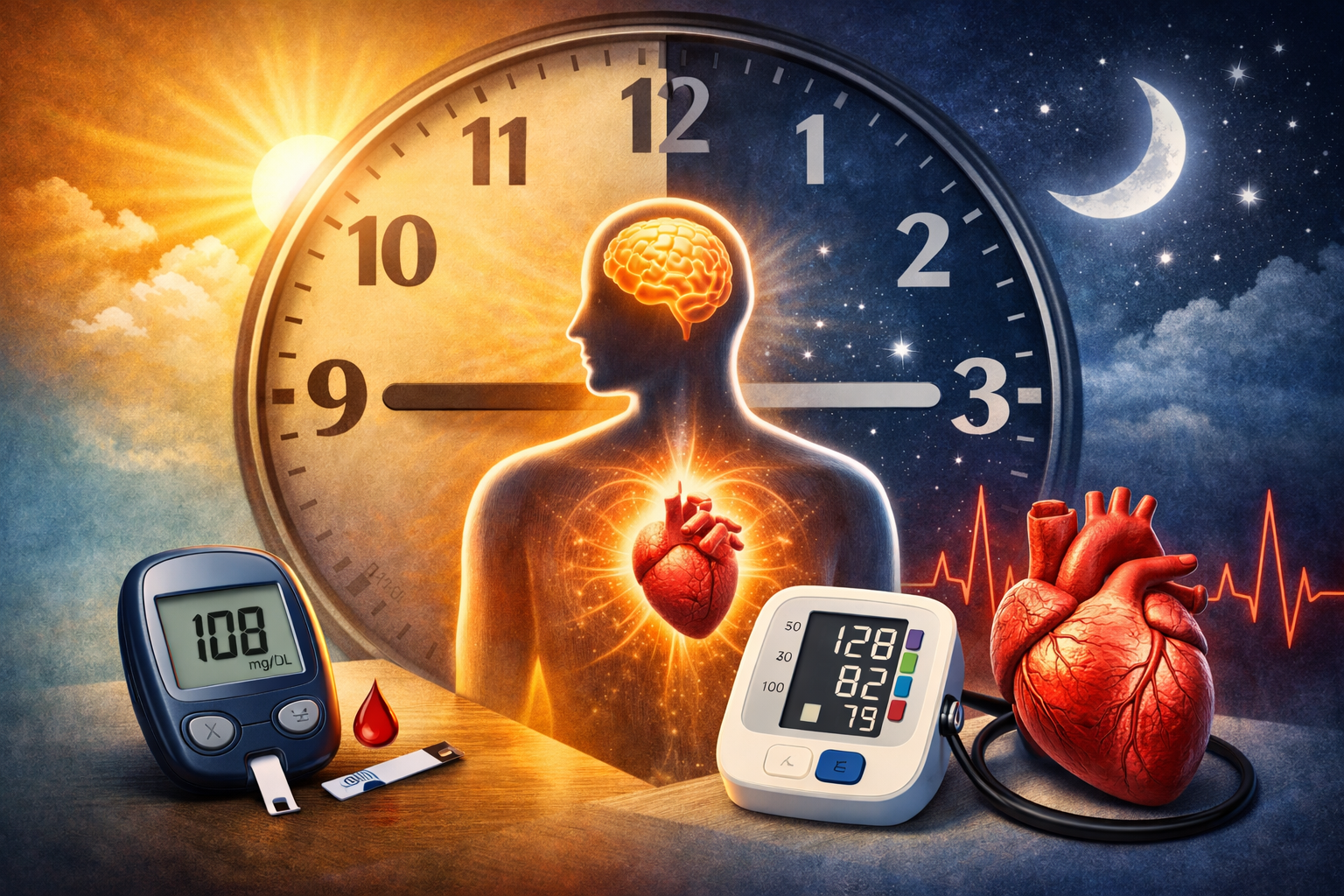
For years, nutrition conversations have focused primarily on what we eat. Increasingly, clinical research shows that when we eat plays a significant and independent role in metabolic health.
This article dives into how the human physiology follows a circadian rhythm; an internal 24-hour clock that regulates hormone secretion, glucose metabolism, digestive efficiency, mitochondrial activity, and insulin responsiveness.
Cardiovascular disease is often reduced to a discussion about cholesterol. Yet decades of research have made it clear that atherosclerosis is not merely a lipid-storage disorder but a dynamic process driven by vascular inflammation, oxidative stress, endothelial dysfunction, thrombosis biology, and autonomic nervous system imbalance.
In this article we can dive into - how can precision advanced testing and treating the autonomic nervous system improve cardiac outcomes?
February is nationally recognized as Heart Health Month — a time to reflect on the true drivers of cardiovascular disease and, more importantly, how we can prevent it.
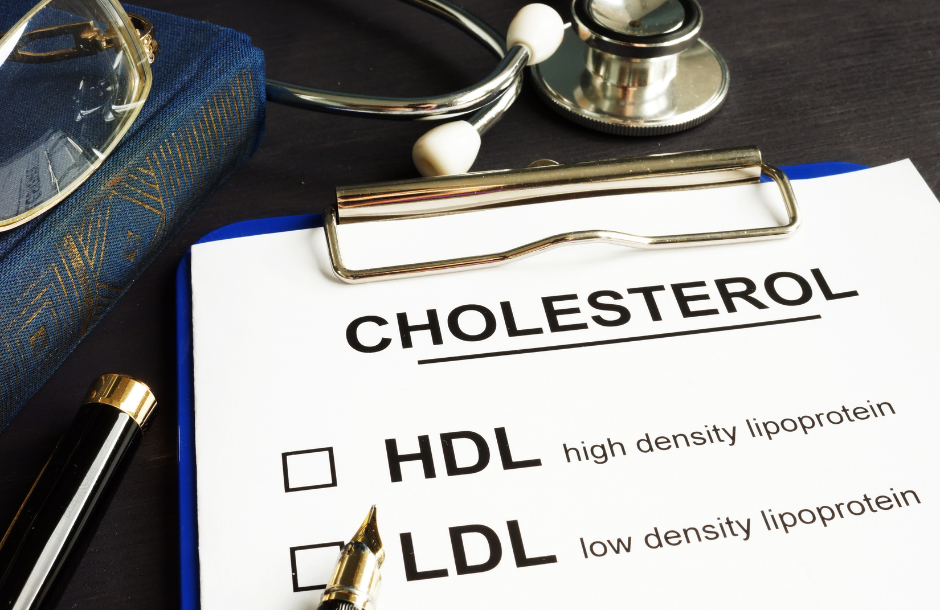
For decades, standard cholesterol panels have been used to assess risk. While helpful, traditional markers such as total cholesterol and LDL alone do not fully capture an individual’s cardiovascular risk. Many patients with “normal cholesterol” still experience cardiac events. Why is this you ask? Because heart disease is far more complex than a single cholesterol number. Read our article to learn more.
This article explores how exercise supports brain health through exerkines—powerful signaling molecules that improve insulin sensitivity, reduce inflammation, and enhance mitochondrial function and neuroplasticity. It also explains how combining structured movement with Ketogenic Metabolic Therapy can create a synergistic, clinically grounded approach to protecting the brain, supporting cognitive resilience, and addressing neurodegeneration at its metabolic roots.
This article explores how the balance between GABA and glutamate, nutrition, metabolism, and inflammation directly influences mental health. Discover why anxiety and depression are not only emotional, but also metabolic, and how food, key nutrients, and ketogenic approaches can help restore brain stability from the ground up.
This article reviews the ongoing debate in cardiovascular prevention—medications versus lifestyle—through the lens of the FOURIER trial and a subsequent BMJ Open reanalysis that questioned how mortality data were classified and reported. Using this controversy as a teachable moment, it highlights the importance of evaluating therapies by their impact on “hard outcomes” (heart attack, stroke, hospitalization, and mortality), not biomarkers alone, and of understanding absolute risk reduction and data transparency.
Katallage Wellness Center is pleased to announce a new weekly movement and brain-health class, hosted every Saturday 90 minutes by clinician Adolfo Valhuerdi. This class integrates evidence-informed movement, rhythm, and mind–body practices designed to support neuroplasticity, emotional regulation, and long-term brain vitality.
Key insights from an AHA Scientific Statement in Circulation on circadian health and cardiometabolic risk. The article explains how our internal 24-hour “body clock” coordinates metabolism, hormone signaling, digestion, and cardiovascular function—and why we tend to be less insulin sensitive later in the day, making late eating more likely to worsen post-meal glucose control.
Why this matters for patients? It strengthens the concept that Alzheimer’s risk and progression are deeply connected to brain energy metabolism—not only the amyloid and tau as isolated “protein problems,” that we have been treating for so long, but the metabolic environment that pushes those proteins toward toxicity.
A groundbreaking rethinking of Parkinson’s disease reveals two distinct subtypes—body-first and brain-first—paving the way for earlier detection, targeted therapies, and individualized care through the lens of gut-brain science and integrative medicine.
Sucralose may seem like a harmless calorie-free sweetener, but new research reveals it can disrupt gut bacteria, inflame the brain’s hunger center, and impair appetite control—undermining metabolic health and weight goals.
Urine testing for collagen cross-linked N-telopeptide (NTx) offers a valuable tool for assessing bone resorption and treatment response—providing insight beyond what a DEXA scan can reveal about bone quality and fracture risk.
Organizations We Trust
BELIEVE BIG
A nonprofit that bridges faith and integrative cancer care and promotes the use of mistletoe therapy.
PAMM
Physicians’ Association for Anthroposophic Medicine – A professional organization advancing anthroposophic medical education and practice.
ANTHROMED MISTLETOE COLLECTION
This collection is a comprehensive hub—balancing research and patient education. It supports understanding mistletoe’s potential impacts on quality of life, symptom management, and adjunctive cancer therapy.
IFM - Institute for Functional Medicine
IFM is a global network of practitioners, educators, and advocates dedicated to advancing the transformation of healthcare; in the pursuit of healthcare that prioritizes balance and healthy function.